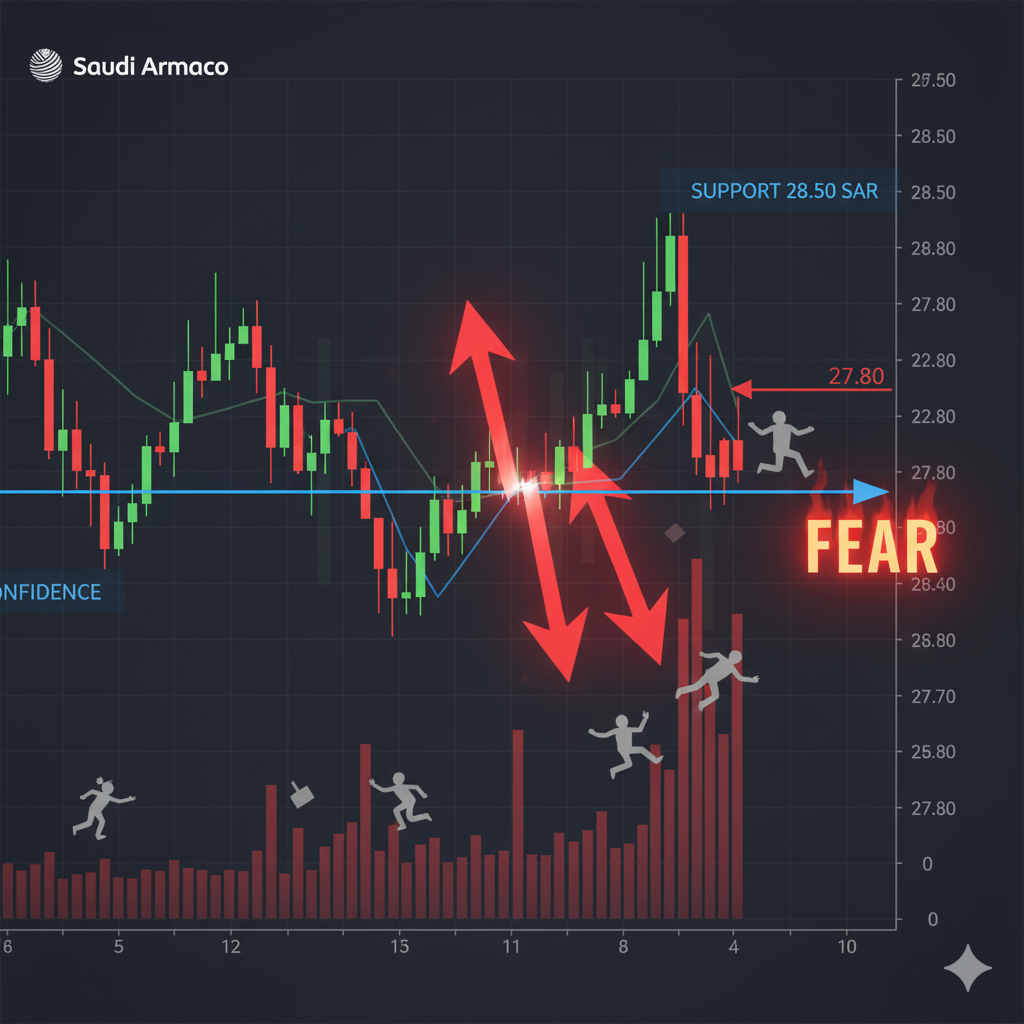

ملخص
وقف الخسارة: خط الدفاع الأول لحماية رأس مالك في الأسواق المالية
وقف الخسارة (Stop Loss) هو أحد أهم أدوات إدارة المخاطر في أسواق المال، سواء في الأسهم أو العملات أو العملات الرقمية أو السلع. تجاهله قد يؤدي إلى خسائر كبيرة حتى لو كانت تحليلاتك صحيحة جزئيًا.
أولًا: أهمية وقف الخسارة في أسواق المال
1️⃣ حماية رأس المال
الهدف الأساسي هو منع الخسارة من التفاقم. السوق قد يتحرك عكس توقعك لأي سبب (خبر مفاجئ، تلاعب، تقلبات).
2️⃣ تقليل التأثير العاطفي
وجود وقف خسارة محدد مسبقًا يمنع:
التعلق بالصفقة
الأمل الزائف بعودة السعر
القرارات الانفعالية
3️⃣ الاستمرارية في التداول
المتداول الناجح لا يربح دائمًا، لكنه:
يخسر قليلًا ويترك الأرباح تكبر
4️⃣ الالتزام بخطة تداول واضحة
وقف الخسارة جزء أساسي من:
إدارة المخاطر
نسبة العائد إلى المخاطرة (Risk/Reward)
ثانيًا: أنواع وقف الخسارة
1️⃣ وقف الخسارة الثابت (Fixed Stop Loss)
يتم تحديده عند سعر معين
لا يتغير أثناء الصفقة
مثال: اشتريت سهم عند 100 وقف الخسارة عند 95
مناسب لـ:
المبتدئين
الصفقات قصيرة المدى
2️⃣ وقف الخسارة المتحرك (Trailing Stop Loss)
يتحرك مع السعر عند الربح
يحافظ على الأرباح ويقلل الخسارة
مثال: السعر يرتفع من 100 إلى 110 وقف الخسارة يتحرك من 95 إلى 105
مناسب لـ:
تتبع الترند
الصفقات المتوسطة والطويلة
3️⃣ وقف الخسارة الفني (Technical Stop Loss)
يعتمد على التحليل الفني مثل:
كسر دعم
أسفل/أعلى شمعة
أسفل خط اتجاه
أسفل متوسط متحرك
مثال: وقف الخسارة أسفل مستوى دعم قوي
مناسب لـ:
المتداولين المحترفين
التحليل الفني الدقيق
⚠️ الأكثر خطورة لأن:
العاطفة قد تمنع التنفيذ
يحتاج انضباطًا عاليًا
ثالثًا: أخطاء شائعة عند استخدام وقف الخسارة
❌ وضعه قريب جدًا → ضرب متكرر ❌ إلغاؤه عند اقتراب السعر ❌ تحريكه للخسارة بدل الالتزام بالخطة ❌ عدم استخدامه نهائيًا
خلاصة مختصرة
وقف الخسارة ليس عدوك… بل هو حارس رأس مالك
لا تداول بدون وقف خسارة
اختر نوع الوقف حسب استراتيجيتك
المخاطرة في الصفقة الواحدة لا تتجاوز 1–2٪ من رأس المال
المقالات الأخيرة
🌊الانحراف المعياري: كيف نقيس تقلب عوائد...
أكتوبر 12, 2026
📈🚀أصول صناديق الاستثمار بالسعودية تتجا...
أكتوبر 11, 2026
📎معامل التحديد: هل بيتا تشرح حركة السهم...
سبتمبر 27, 2026
➰ألفا: هل حققت عائدًا جيدًا فعلًا أم أن...
سبتمبر 26, 2026